
Why Crypto Casinos Are Gaining Traction in the Philippines
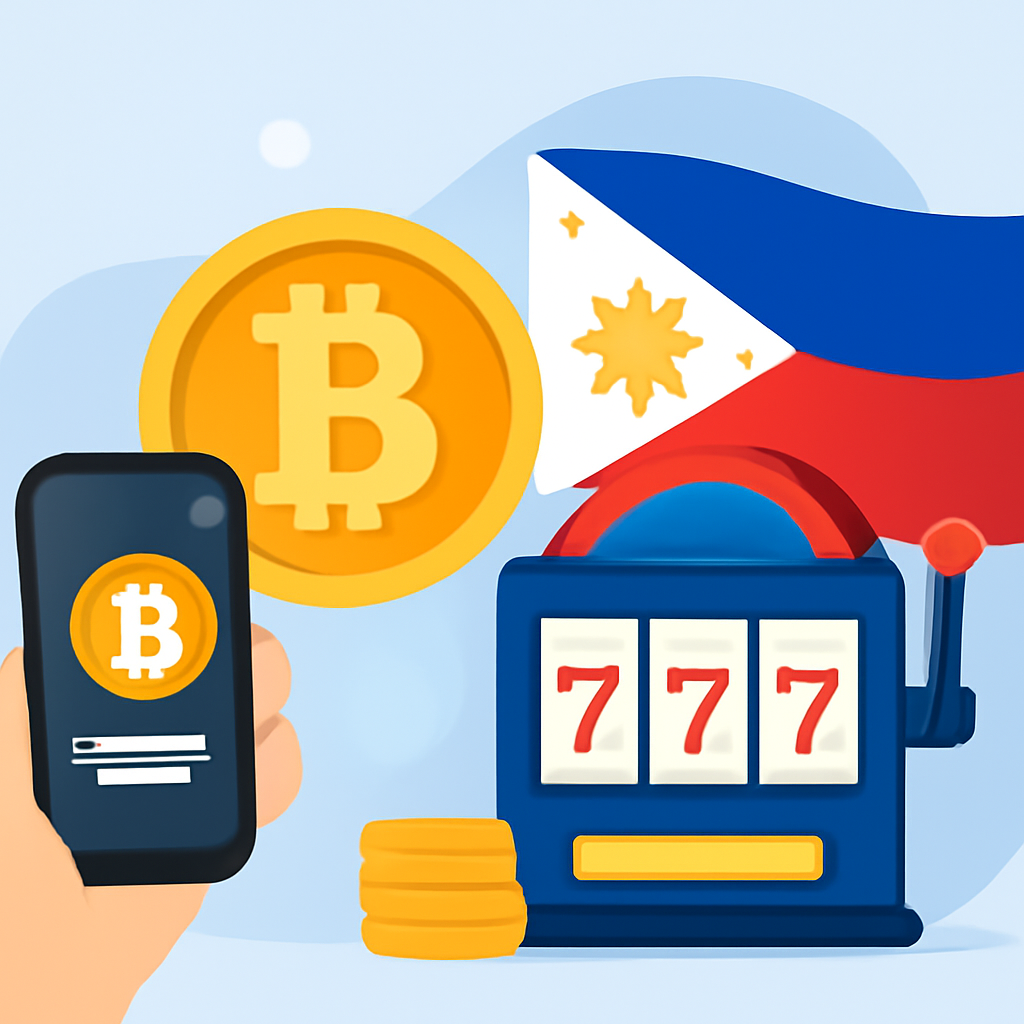
The convergence of high smartphone penetration, increasing internet access, and a strong remittance-driven economy has set the stage for rapid growth of crypto casinos in the Philippines. Players are drawn to platforms that accept cryptocurrencies like Bitcoin and Ethereum because they offer faster deposits and withdrawals compared with traditional banking rails, an important advantage in a market where bank transfer delays and international payment fees can be prohibitive.
Beyond transaction speed, anonymity and privacy appeal to a segment of Filipino gamblers. While local regulations on gambling can be complex, crypto-based platforms often provide users with a degree of discretion that traditional operators do not. This is particularly relevant for overseas Filipino workers who prefer lightweight, secure ways to gamble without exposing personal banking details.
Innovation in game design and blockchain-based provably fair systems have also played a role. Many operators use cryptographic proofs to demonstrate game fairness, increasing trust among tech-savvy players who value transparency. Mobile-first user experiences and gamified rewards tailored to local preferences—such as tournaments pegged to popular payment methods and localized customer support—have further accelerated adoption. As a result, a growing number of Filipino players view crypto casinos Philippines as a modern alternative to legacy online casinos.
How to Choose a Safe and Legal Crypto Casino in the Philippines
Selecting a reputable platform requires careful attention to licensing, security practices, and payment options. The first step is to verify whether the operator holds a recognized gaming license from a trustworthy regulator. Although a domestic Philippine license may be ideal, many legitimate operators hold licenses from established jurisdictions and comply with international standards for anti-money laundering (AML) and know-your-customer (KYC) processes. Players should look for clear terms, transparent payout policies, and third-party audits.
Security is paramount: platforms should employ strong encryption, cold storage for the majority of crypto assets, and multi-factor authentication for user accounts. Responsible operators publish their security measures and undergo regular penetration testing. Reputation matters as well—community reviews, player testimonials, and independent watchdog commentary can reveal how an operator handles disputes, chargebacks, and delayed payouts.
Payment flexibility is another crucial factor. Leading crypto casinos often support multiple cryptocurrencies and provide straightforward conversion options to local currencies. For those exploring options, an integrated resource list or directory focused on regional choices can be helpful; for example, one curated site that aggregates trusted listings for the region is available at crypto casinos philippines which highlights operators that cater to local preferences. Finally, consider platform ergonomics: localized interfaces, language support, responsive customer service, and promotions targeted to Philippine users often signal that an operator understands the market.
Trends, Use Cases, and Real-World Examples in the Philippine Market
Several notable trends characterize the current landscape of online crypto wagering in the Philippines. First, hybrid operators that accept both fiat and crypto are becoming commonplace, giving players flexibility to switch between payment methods depending on speed, fees, and privacy needs. Second, the emergence of decentralized finance (DeFi) integrations—such as yield-generating loyalty tokens or staking rewards tied to gameplay—introduces new monetization and retention strategies. These mechanics appeal to players who want their in-game assets to have financial utility beyond entertainment.
Real-world use cases illustrate how the market adapts to user behavior. For example, tournament structures with crypto prizes attract competitive players, while blockchain-based loyalty systems enable provable scarcity and tradable in-game items. Some operators partner with local influencers and esports teams to reach younger demographics, blending live betting and skill-based games with traditional slots and table offerings. Case studies from regional operators show that early adopters who emphasized fast payouts, transparent fairness, and mobile-first design gained market share quickly.
Regulatory developments and public perception will shape the next phase of growth. Monitoring policy changes and industry self-regulation efforts is essential for players and operators alike. As fintech innovation continues to lower barriers to entry, the Philippine market is likely to see more sophisticated products that merge entertainment with financial incentives, while consumer education and improved security standards will be key to mainstream adoption of cryptocurrency-based gambling experiences.

Born in the coastal city of Mombasa, Kenya, and now based out of Lisbon, Portugal, Aria Noorani is a globe-trotting wordsmith with a degree in Cultural Anthropology and a passion for turning complex ideas into compelling stories. Over the past decade she has reported on blockchain breakthroughs in Singapore, profiled zero-waste chefs in Berlin, live-blogged esports finals in Seoul, and reviewed hidden hiking trails across South America. When she’s not writing, you’ll find her roasting single-origin coffee, sketching street architecture, or learning the next language on her list (seven so far). Aria believes that curiosity is borderless—so every topic, from quantum computing to Zen gardening, deserves an engaging narrative that sparks readers’ imagination.